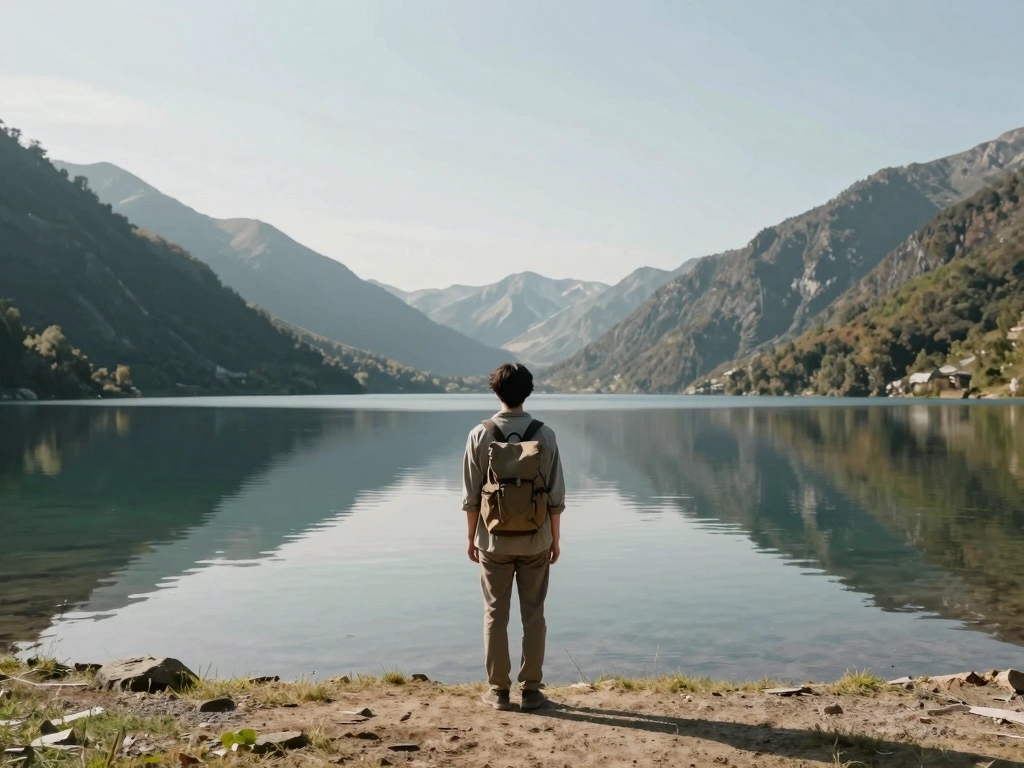
Understanding the Minimalist Travel Philosophy
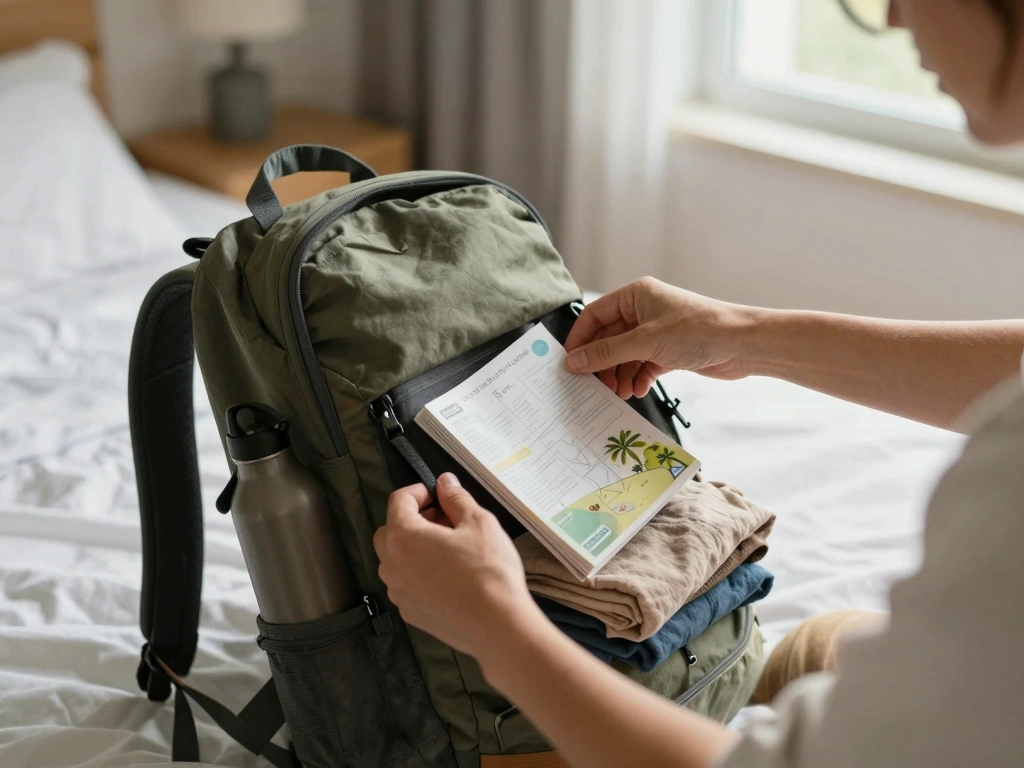
Minimalist travel is not just a trend; it is a philosophy that encourages travelers to embrace simplicity, intentionality, and freedom. By stripping away the excess, minimalist travelers can enjoy a more enriching and meaningful experience. This section delves into the core principles of minimalism, its benefits, and how it can transform the travel experience.
Core Principles of Minimalism
At the heart of minimalism lies the idea of doing more with less. The core principles of minimalism include:
- Intentionality: Every item you bring and every place you visit should serve a purpose or bring joy.
- Quality over Quantity: Focus on a few high-quality experiences rather than a packed itinerary filled with superficial activities.
- Flexibility: Be open to changing plans and adapting to new experiences as they arise.
- Mindfulness: Cultivate awareness of your surroundings and the experiences you are having at the moment.
Benefits of a Minimalist Approach
Adopting a minimalist approach to travel can yield numerous benefits, such as:
- Reduced Stress: Traveling light means fewer worries about lost luggage or managing excessive belongings.
- Cost Efficiency: Fewer items often lead to lower transportation and accommodation costs, as well as easier navigation.
- Stronger Connections: Engaging more deeply with locals and fellow travelers rather than focusing on sights can lead to more meaningful interactions.
- Enhanced Experiences: By focusing on quality experiences rather than quantity, travelers can immerse themselves in the culture and environment.
How Minimalism Transforms Travel Experiences
Minimalism transforms travel by shifting the focus from the destination to the journey itself. For instance, instead of rushing through a packed itinerary, minimalist travelers may choose to spend more time in a single location, allowing them to discover hidden gems and connect with the local community. This might involve:
- Staying in a family-run guesthouse for an extended period to learn about local customs.
- Participating in community events or workshops that showcase the culture.
- Engaging in conversations with locals to gain insights that guide future travels.
Planning Your Minimalist Travel Itinerary
Planning is a crucial aspect of any travel experience, and when it comes to minimalist travel, it requires a different approach. Here’s how to plan an itinerary that aligns with the minimalist philosophy.
Choosing Destinations That Align with Minimalism
When selecting destinations, consider places that emphasize natural beauty, cultural richness, and community engagement. Some examples include:
- Portugal: With its stunning coastlines and vibrant cities like Lisbon and Porto, Portugal offers a blend of culture and relaxation.
- Japan: The balance of tradition and modernity in Japanese cities such as Kyoto and Tokyo allows for immersive experiences without overwhelming crowds.
- National Parks: Locations like Yosemite or Zion National Park promote connection with nature, encouraging a slower pace and reflection.
Creating a Flexible Travel Schedule
A rigid travel schedule can lead to stress and missed opportunities. Instead, create a flexible itinerary that allows for spontaneity. Consider:
- Block Days: Reserve certain days for specific activities but leave others open for exploration.
- Prioritize Activities: List must-see attractions, but allow for changes based on local recommendations or emerging interests.
- Daily Check-ins: Take a moment each day to reflect on your experiences and adjust plans as necessary.
Incorporating Local Experiences Over Tourist Attractions
Minimalism encourages a focus on authentic experiences rather than tourist traps. Examples include:
- Attend a Local Festival: Participating in local celebrations can offer unique insights into a culture.
- Volunteer: Engaging in community service not only enriches your experience but also connects you with locals.
- Eat Where Locals Eat: Seek out small, family-owned restaurants instead of chain establishments for genuine cuisine.
Packing Light: The Art of Minimalist Luggage
One of the most significant aspects of minimalist travel is packing light. The following tips will help you master the art of minimalist luggage.
Essential Packing Tips for Minimalist Travelers
Packing light requires strategic planning. Here are some essential tips:
- Make a Packing List: Write down what you need based on your itinerary, focusing on versatile items.
- Limit Yourself: Aim for one carry-on bag, which typically should not exceed 22 x 14 x 9 inches, to avoid checked baggage fees and delays.
- Roll Clothes: This technique saves space and reduces wrinkles.
Choosing Versatile Clothing and Gear
Opt for clothing that can serve multiple purposes. Examples include:
- Layering: Bring lightweight layers, such as a long-sleeve shirt that can be worn on its own or under a sweater.
- Quick-Dry Fabrics: Items made from quick-dry materials can be washed and dried easily, reducing the need for multiple outfits.
- Multi-Functional Gear: A daypack that can serve as a hiking bag, beach bag, or carry-on is ideal.
The Role of Digital Tools in Reducing Physical Items
Technology can significantly aid in minimalist travel. Consider these digital tools:
- Travel Apps: Use apps like Google Maps for navigation, Airbnb for accommodations, and Duolingo for language learning, reducing the need for physical maps and guides.
- E-Books: Instead of carrying physical books, download e-books or audiobooks to your device.
- Digital Documents: Store important travel documents in a secure cloud service to avoid carrying physical copies.
Budgeting for a Minimalist Travel Experience
Budgeting is an essential part of travel planning, especially for those embracing a minimalist approach. Here’s how to create a budget that aligns with minimalist values.
Identifying Key Expenses and Prioritizing Them
Start by identifying your essential expenses, which typically include:
- Transportation: This can include flights, trains, or local transport. Prioritize the most efficient and affordable options.
- Accommodation: Consider hostels, guesthouses, or even camping to save costs while enjoying local experiences.
- Food: Allocate a budget for groceries and local dining, aiming to eat where locals go.
Finding Affordable Accommodations and Transportation
There are numerous resources for finding budget-friendly options:
- Hostelworld: A great platform for finding affordable hostels that often include kitchen facilities.
- Couchsurfing: This platform connects travelers with locals offering free places to stay, fostering authentic experiences.
- Public Transportation: Utilize buses, trains, or biking instead of taxis to cut costs.
Embracing Local Cuisine for Cost-Effective Meals
Eating locally not only saves money but also enhances your travel experience. Here’s how to do it:
- Street Food: Explore local street food markets, which often offer delicious meals at a fraction of the cost of restaurants.
- Cook Your Own Meals: If your accommodation has a kitchen, buy fresh produce from local markets and prepare your own meals.
- Join a Cooking Class: This can be a fun and informative way to learn about local cuisine while enjoying a meal.
Sustaining a Minimalist Mindset While Traveling
Maintaining a minimalist mindset while on the road is crucial for enhancing your travel experience. This section explores practices to sustain this mentality.
Practicing Mindfulness and Presence During Your Journey
Mindfulness can be integrated into your travel experience in various ways:
- Daily Reflection: Take a few moments each day to reflect on your experiences, jotting down thoughts in a travel journal.
- Engage Your Senses: Pay attention to the sights, sounds, and smells around you, enhancing your connection to the environment.
- Limit Distractions: Consider taking breaks from social media and technology to fully immerse yourself in the experience.
Dealing with Travel Challenges Through Minimalism
Challenges are a natural part of travel, but a minimalist mindset can help you navigate these situations:
- Embrace Flexibility: Understand that not everything will go as planned, and be prepared to adapt your itinerary.
- Focus on Solutions: Instead of dwelling on problems, direct your energy towards finding solutions and learning from the experience.
- Practice Gratitude: Cultivating gratitude for what you have and the experiences you encounter can turn challenges into opportunities.
Reflecting on Your Travel Experiences to Enhance Future Adventures
After your journey, take time to reflect on your experiences. This can be done by:
- Writing a Summary: Document your travels, focusing on what you learned, what you enjoyed, and what could be improved.
- Sharing Insights: Discuss your experiences with friends or through social media, providing inspiration to others.
- Setting Intentions for Future Travels: Use your reflections to set goals for your next adventure, whether it’s exploring a new destination or deepening local engagement.